
Public safety work has changed a lot in recent years. Officers now face complex crimes, growing online threats, and higher public expectations. At the same time, agencies must train future leaders, build strong teams, and attract people who want to serve their communities. These challenges don't exist on their own.
They connect every day, and they shape how organisations respond to crime, support victims, and earn public trust. That is why many people want to understand what really happens behind the scenes.
They also want to know why these efforts are often so difficult. Few people have seen these challenges from as many angles as Captain Jessica Brittain.
During her career, she has worked in patrol, crime scene investigation, major crimes, human trafficking cases, and internet crimes against children. She also spent years working undercover before moving into leadership positions.
Today, she oversees training, recruiting, and background investigations of the Tarrant County Sheriff's Office.
In this article, we will learn why human trafficking remains difficult to investigate. We will also explain why many victims stay silent. Next, we will explore online child safety and leadership training.
We will discuss team development and recruitment challenges. Finally, we will cover the habits that help leaders build trust, support their people, and create stronger organisations.
Why Human Trafficking Is So Hard for Law Enforcement
Human trafficking is not a new problem. It has existed for a very long time. However, many people still don't fully understand how serious it is.
A common mistake is thinking trafficking only affects certain groups. That's not true. Victims come from all backgrounds. They can be wealthy, middle-class, or struggling financially. Women, children, and men can all become victims.
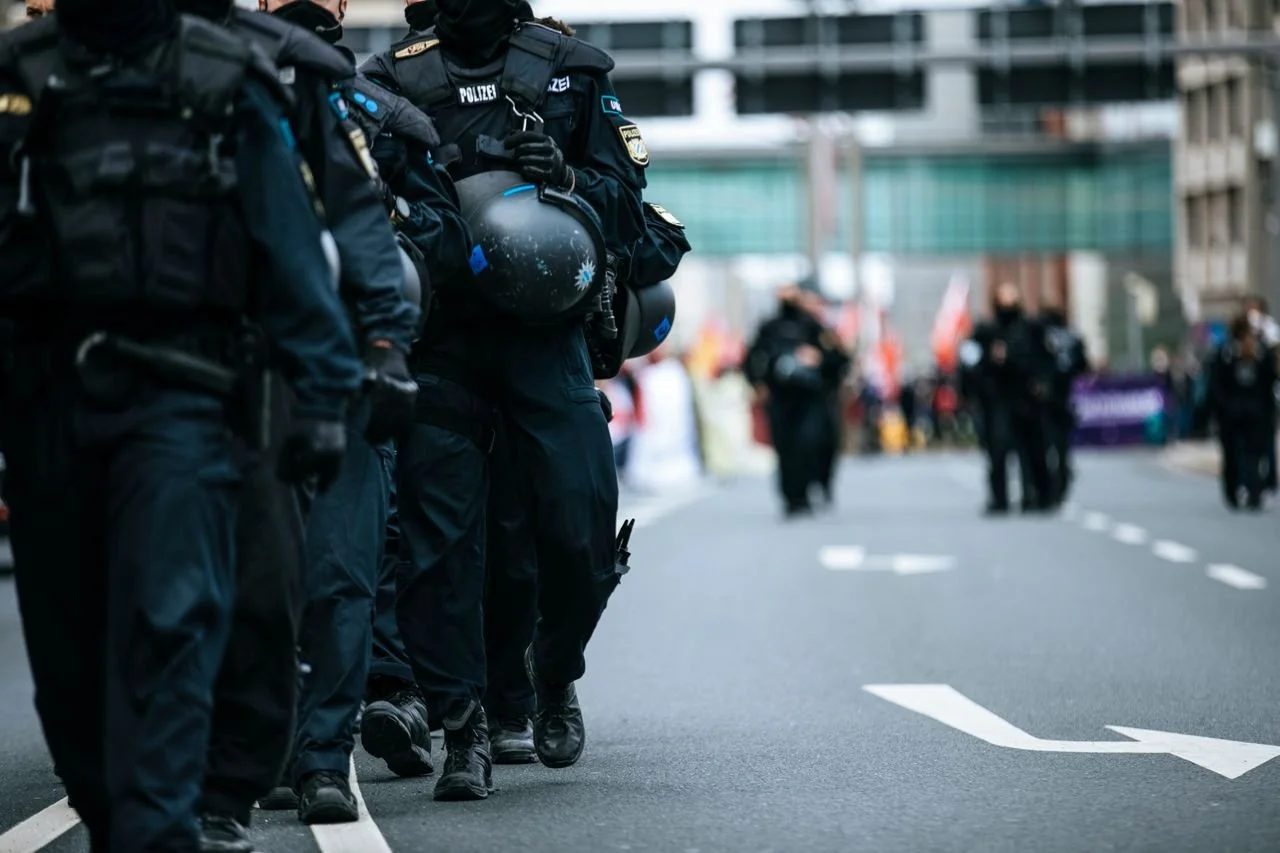
Photo by Markus Spiske on Pexels
What makes this crime especially difficult is that many victims don't ask for help. Some feel ashamed. Others feel scared. Many don't even realise they are being exploited until much later. As a result, they often stay trapped for long periods.
Because of this, investigators can't sit back and wait for reports. They must actively look for signs of trafficking and build cases step by step.
Why Victims Often Stay Silent
Victims usually face several barriers before seeking help:
Fear of the trafficker
Feelings of embarrassment
Lack of trust in others
Emotional control and manipulation
Concern about family reactions
Moreover, victims often interact with law enforcement several times before accepting support. Building trust takes time, and that's one of the biggest challenges.
How Online Predators Target Children
The internet has created new risks, especially for children. Many offenders now search for victims online rather than in person.
To stop them, investigators use undercover operations and monitor online activity. These efforts help identify people who intend to harm children before they reach a real victim.
What shocks many people is the speed. In some cases, offenders make contact within minutes. They may even arrange meetings shortly afterwards.
Why Justice Takes Time
An arrest is only the first step. After that, the legal process begins.
Some cases end with plea agreements. Others move to trial. Therefore, one case may finish quickly, while another takes years.
That said, these investigations matter. They protect vulnerable people, remove dangerous offenders, and make communities safer for everyone.
Why Is Leadership Training Important in Law Enforcement?
Leadership plays a bigger role in law enforcement than many people realise. A promotion doesn't automatically make someone a strong leader. Good leadership requires training, experience, self-awareness, and a genuine commitment to growth.
Before moving into senior roles, officers usually complete a demanding selection process. This often includes written exams, interviews, practical exercises, and leadership assessments. Some agencies also use a '360-degree review'.
This gathers feedback from supervisors, co-workers, and team members. The goal is simple. Agencies want to understand not only how a person performs, but also how they treat others every day.
Photo by Mazin Omron on Pexels
The Role of Training Beyond Basic Policing
Training academies do far more than teach policing skills. They prepare people for many responsibilities throughout their careers.
Training often covers:
Corrections and jail operations
Supervisor development
Active threat response
Firearms and driving skills
Continuing professional education
Moreover, some programmes also teach civilians how to respond during emergencies. Public safety works best when both officers and communities are prepared.
The Leadership Gap Many Organisations Face
While technical training receives significant attention, leadership training often arrives later than it should.
New officers spend months learning procedures, laws, and fieldwork. However, once they move into supervisory roles, many receive limited guidance on leading people. They learn schedules, reports, and administrative tasks, but leadership involves much more than paperwork.
Strong leaders must know how to build trust, handle difficult conversations, support their teams, and make sound decisions under pressure. Those skills require practice and coaching.
How Great Leaders Continue to Grow
Leadership development doesn't stop after a promotion. In fact, that's when the real work begins.
Many successful leaders focus on a few key habits:
Learn from trusted mentors.
Watch how respected leaders treat people.
Protect and build a strong reputation.
Continue learning through education and training.
Most importantly, leaders must lead themselves first. If they don't invest in their own growth, they can't effectively help others grow. That mindset creates stronger teams, stronger organisations, and greater public trust.
How Law Enforcement Leaders Reach Different Personalities
Every workplace includes people of different ages, backgrounds, and experiences. Because of that, leadership is never a one-size-fits-all job.
A young employee starting a career often needs different guidance from someone with decades of experience. Both bring value, but leaders must understand what motivates each person. The same conversation won't work for everyone.
That's why good leaders spend time getting to know their teams. They learn how people think, what matters to them, and what helps them do their best work. Sometimes those lessons come from formal conversations. Other times, they come from everyday interactions.

Photo by Yvon Gallant on Pexels
Why Personal Connections Matter
Many leaders focus heavily on tasks, deadlines, and results. Those things matter, but people matter more.
When leaders know what's happening in their employees' lives, they can offer better support. They understand when someone needs flexibility, encouragement, or simply a listening ear.
Simple details often make a big difference, such as knowing:
Family responsibilities
Health concerns
Personal goals
Important life events
Moreover, remembering those details shows people that they matter. It builds trust, and trust strengthens teams.
What Separates Leaders From Managers?
Management and leadership are not the same thing. Managers organise work and keep things running smoothly. Leaders focus on people and help them grow.
Many new supervisors make a common mistake. They believe promotion means they must have every answer. However, experience often teaches a different lesson.
Strong leaders don't try to prove they know everything. Instead, they listen, observe, and learn from those around them. Sometimes, the people doing the work every day understand current challenges better than anyone else.
That shift requires humility. It means admitting when someone else has a better idea or deeper knowledge.
Leadership starts with listening. Before leading others, take time to understand them. When people feel valued and understood, they work better together, trust grows, and the whole team becomes stronger.
What Builds Strong Teams in Law Enforcement
Strong teams don't happen by accident. They grow when leaders listen, learn, and stay connected with their people.
One of the most useful leadership tools is honest feedback. It isn't always comfortable, but it helps leaders see what their team actually needs. Sometimes the issue isn't a policy, a process, or a big decision. Sometimes people simply want their leader to be visible and approachable.
Small actions often have a bigger impact than expected. A quick chat in the hallway, a simple 'good morning', or a shared lunch can strengthen relationships. These moments build trust, and trust helps teams work better together.

Photo by Pavel Danilyuk on Pexels
Why Leaders Must Keep Learning
Leadership brings new responsibilities, and no one knows everything from day one.
A person can have years of experience in one area and still face a steep learning curve in another. That's normal. The best leaders don't pretend they have every answer. Instead, they ask questions, listen carefully, and learn from the people around them.
Moreover, strong teams often teach leaders just as much as leaders teach their teams. That willingness to learn creates respect on both sides.
Why Recruitment Has Become Harder
Many organisations have faced staffing challenges in recent years. Changes in work habits have played a major role.
Today, some people compare demanding public service jobs with remote work opportunities. One option offers flexibility and comfort. The other requires long shifts, responsibility, and daily interaction with difficult situations.
People often ask themselves:
'Do I want a job that feels easier?'
'Or do I want work that gives me a stronger sense of purpose?'
That question has made recruitment more challenging than before.
Why Purpose Still Matters
Despite those challenges, purpose continues to attract committed people.
The strongest candidates usually bring energy, curiosity, and a desire to serve. They don't just test the waters. They commit to the work and accept the responsibility that comes with it.
Strong teams need more than policies and procedures. They need leaders who listen, people who care, and a shared mission that everyone believes in.
Conclusion
Human trafficking, leadership, and teamwork all come down to people. Victims need support, teams need trust, and communities need strong leaders. That's why training, patience, and good communication matter so much.
Moreover, great leaders don't stop learning after a promotion. They keep improving, they listen, and they help others grow. Those habits build stronger teams and better results.
Recruitment remains a challenge. However, many people still want work that has real meaning. They want to serve others and make a difference.
In the end, law enforcement is about more than rules and procedures. It's about protecting people, building trust, and doing the right thing. When officers lead well, listen carefully, and stay committed to their purpose, everyone benefits. Communities become safer, teams become stronger, and public trust continues to grow.
FAQs
How does law enforcement work with community groups?
Law enforcement often partners with schools, charities, and local groups. These partnerships help officers share information, build trust, and identify problems earlier.
Why is public trust important for law enforcement?
Public trust helps officers gather information and solve cases faster. When people trust officers, they are more likely to report crimes and cooperate.
How does technology support law enforcement investigations?
Technology helps officers collect evidence, analyse data, and track criminal activity. It also improves communication and helps teams work more efficiently.
What qualities do successful law enforcement officers share?
Successful law enforcement officers show integrity, patience, good judgment, and strong communication skills. They stay calm and make sound decisions under pressure.
How does law enforcement support officer wellbeing?
Many agencies offer wellness programmes, peer support, and counselling services. These resources help officers manage stress and stay healthy.