
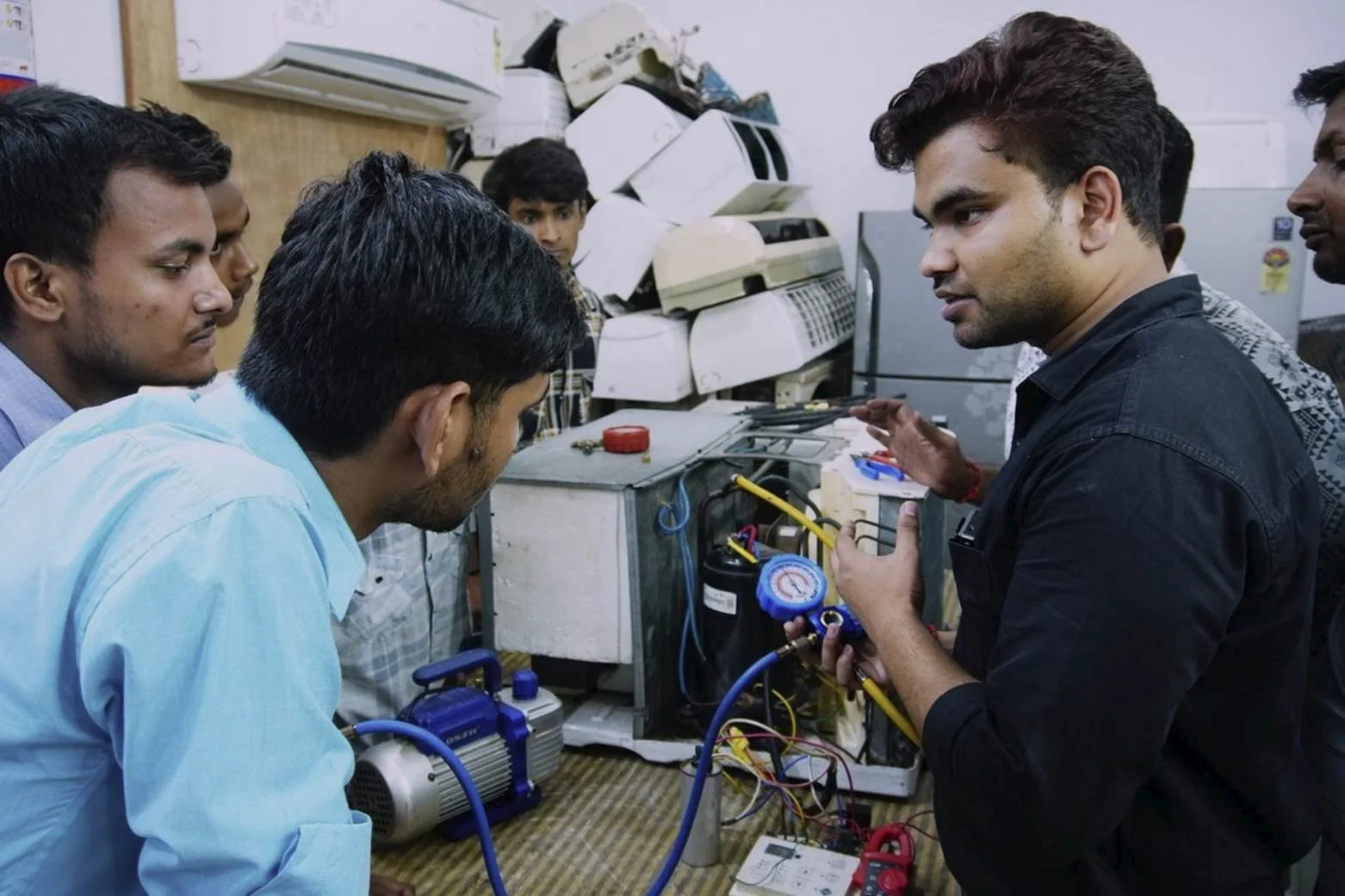
Power demand keeps growing, and the work behind it keeps growing too. New data centers need huge amounts of electricity. Manufacturers need new facilities, and older systems need upgrades.
At the same time, companies need skilled workers, strong leaders, and safer job sites. That's why the electrical construction industry faces both great opportunities and real challenges.
The industry isn't only about building power systems. It's also about building teams that can work safely, learn quickly, and handle bigger projects with confidence.
Brandon Lark has seen these changes first-hand throughout his career. He serves as Group Vice President at MYR Group and oversees several operating companies across the business.
His journey started in northern New Mexico and grew through hands-on field roles before he moved into leadership.
Over more than 26 years, he has worked on transmission, distribution, substations, and major EPC projects. Just as importantly, he has become a strong voice for people-first leadership, safety, and team development.
His experience shows that successful projects depend on people as much as equipment and technical skill.
In this article, we will learn why safety and leadership help companies grow, why electrical trades offer strong career opportunities, how training yards prepare workers for real job conditions, and what empathetic leadership looks like in practice.
We will also see how trust, communication, and ongoing learning help teams perform better and create long-term success.
Why Safety and Leadership Power the Electrical Construction Industry
Growth in this industry rests on two things. Strong leaders and a real safety culture. Get both right, and bigger projects feel far less risky.
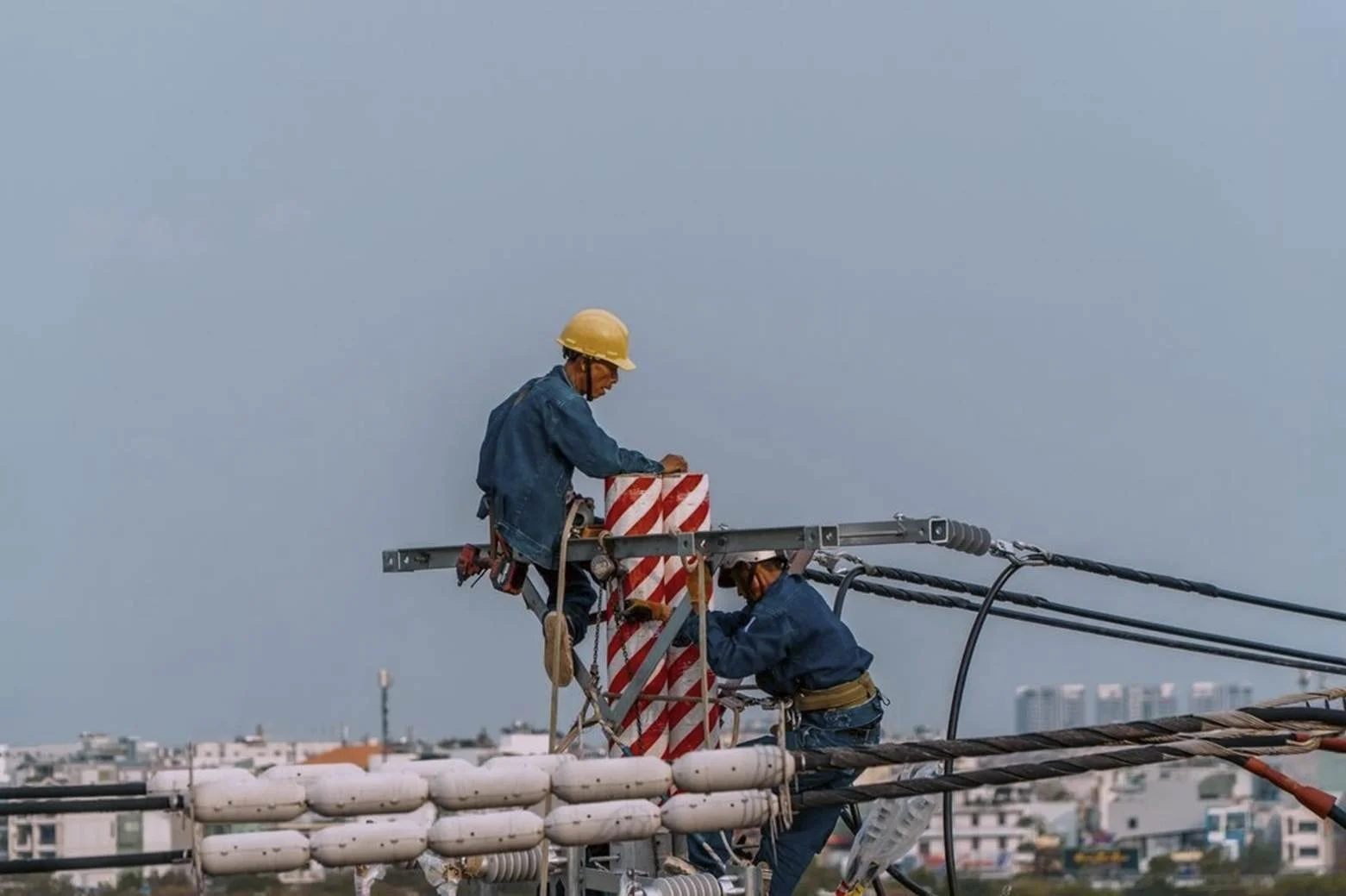
Photo by Phát Trương on Pexels
Why leadership matters so much
You can't grow on skill alone. As projects get bigger, you need leaders at every level. So informal training just won't do. A people-first approach works best here.
The idea is simple. Help everyone go home better than they showed up. That happens when each person acts like a leader, not only the boss.
Reward people for speaking up
Most workplaces teach people to stay quiet. They learn to put their heads down and avoid making waves. But silence hides the high risks that cause harm.
A good safety culture flips this. It thanks anyone who flags a problem early. A 'good catch' programme does exactly that. It turns small warnings into accidents you've stopped.
Here's how to make it stick:
Treat every concern as helpful, not annoying.
Coach your people instead of punishing them.
Ask honest questions, then really listen.
Remove the fear behind the silence
People stay quiet for a reason. They don't like questioning the boss or admitting they're unsure. On close crews, that pressure runs even deeper.
These teams travel together and work long hours. They become close friends, so calling out a mistake feels personal. That's exactly why you must make it safe.
When workers trust their leaders, they speak up sooner. And early questions stop problems before they grow.
How does this fuel growth
Safety and leadership aren't separate goals. They feed each other. Strong leaders build open teams, and open teams catch risks faster. So, the payoff is clear. Fewer incidents, stronger trust, and the steady footing you need for larger work.
The Electrical Construction Industry Is a Smart Career Today
The electrical trades are one of the best fields to join today. Demand is high, pay keeps rising, and the work just keeps coming. So, the timing is great.
Photo by Multitech Institute on Pexels
What's driving the demand
A few big forces are pushing at once. Here are the main ones:
AI and data centres. Each site can use as much power as a whole city.
Manufacturing growth. New plants need fresh power across the country.
People moving. As folks shift regions, builders must keep up.
Ageing systems. Older infrastructure needs steady upgrades each year.
Put these together, and the workload is huge. In fact, the scale ahead beats anything the industry has seen.
Why a degree isn't the only path
For years, the advice stayed the same. Get a four-year degree, or you'll struggle. But that's just not true anymore. Today, skilled trade workers often out-earn fresh graduates. They start strong, and their pay climbs from there. Many experts now call the trades a real path to wealth.
You learn plenty on the job, too. Apprenticeship programs teach you real, useful skills. In many ways, that training matches a degree.
A rewarding, close-knit field
The trades give you more than good money. The work feels satisfying. You finish the day and see what you built. The teams matter as well.
Crews form strong bonds and look out for each other. On-site, everyone acts as a brother's keeper. That support reaches past work, too. Your team has your back, both on the job and off it.
So, here's the bottom line:
Strong pay from day one
Real skills and clear growth
A tight, supportive crew
Pick this field, and you help build the country's backbone. And that's something to be proud of.
Inside the Training Yards Behind the Electrical Construction Industry
A good training yard turns beginners into skilled lineworkers fast. It copies real job sites, so you learn by doing. And you stay safe throughout.
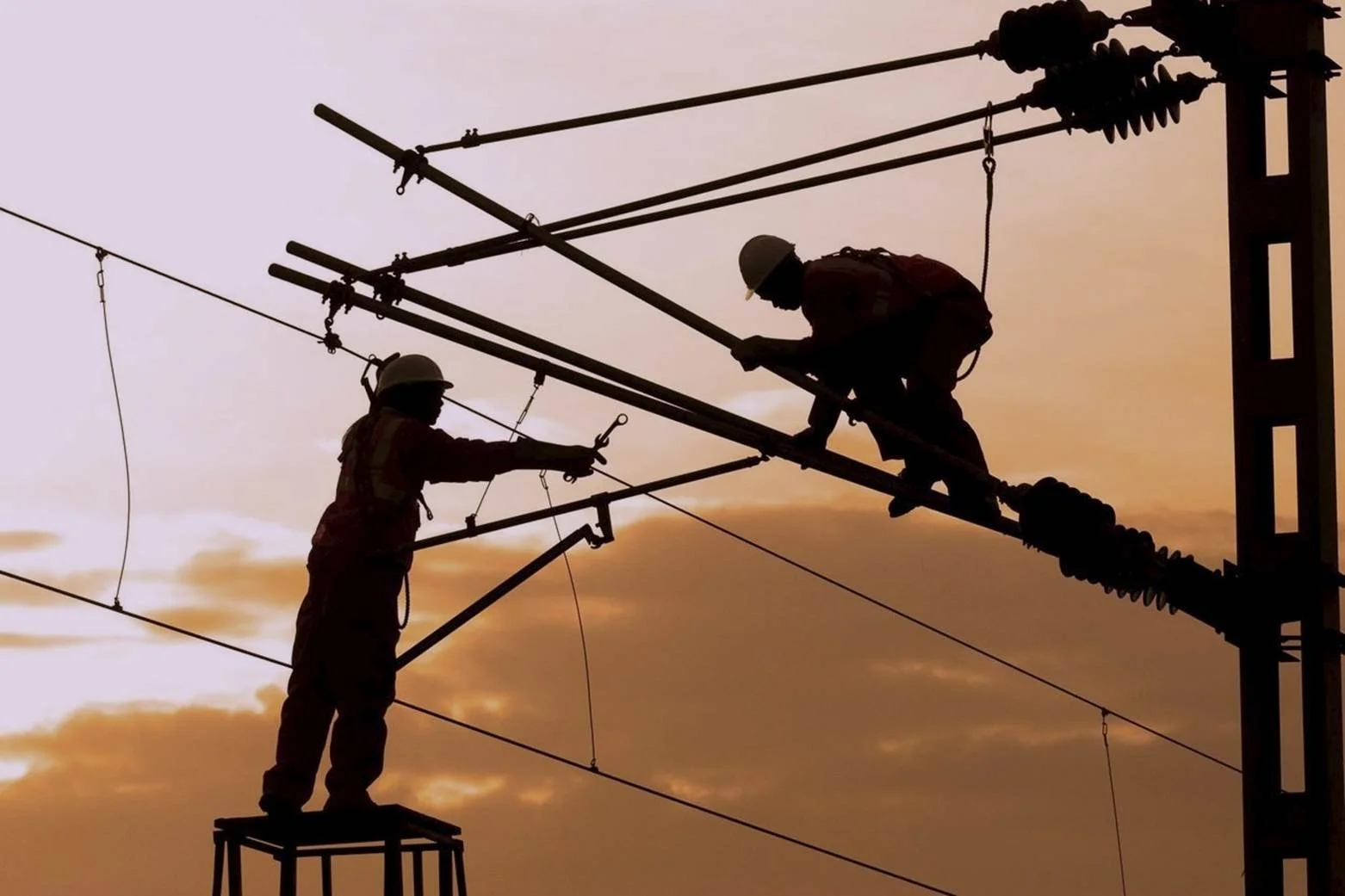
Photo by Gansham Ramchandani on Pexels
You practice on real gear
Classroom theory only takes you so far. In a proper yard, you work outdoors on live equipment. Most yards let you train on:
Distribution construction
Transmission construction
Underground distribution
Substation components
The lines carry power, but at very low amperage. So you can slip up safely and still learn. You watch the system react, and you see why each step matters.
The apprenticeship path
Think of the apprenticeship as a degree for the trade. You join a crew and learn on the job. Then you come back for training about a week each month.
The drills feel real, not just theory. A storm simulation, for example, makes crews rebuild lines fast. You practice your safety checks and proper steps under pressure.
Required and advanced training
The yard handles your basics, too. That includes the yearly OSHA renewals you must keep current. After that, you move up. Advanced courses teach live-line bare-hand work and tricky rigging. So you don't stop at lineman or substation electrician. You keep growing.
Real voltages, real scenarios
This isn't household wiring. The yard runs serious power. Distribution sits around 13.2 to 14.4 kV. Bare-hand setups climb right up to 345 kV.
You'll work with big lattice towers and many structure types. In fact, a good yard copies almost any field scenario. So, crews rehearse tough jobs first, then do them for real.
That's the real value here. You build true skills in a safe space. And you reach the site ready, not guessing.
What Empathetic Leadership Brings to the Electrical Construction Industry
The best leaders put their people first. That's what empathetic leadership is all about. And it counts in construction as much as anywhere.
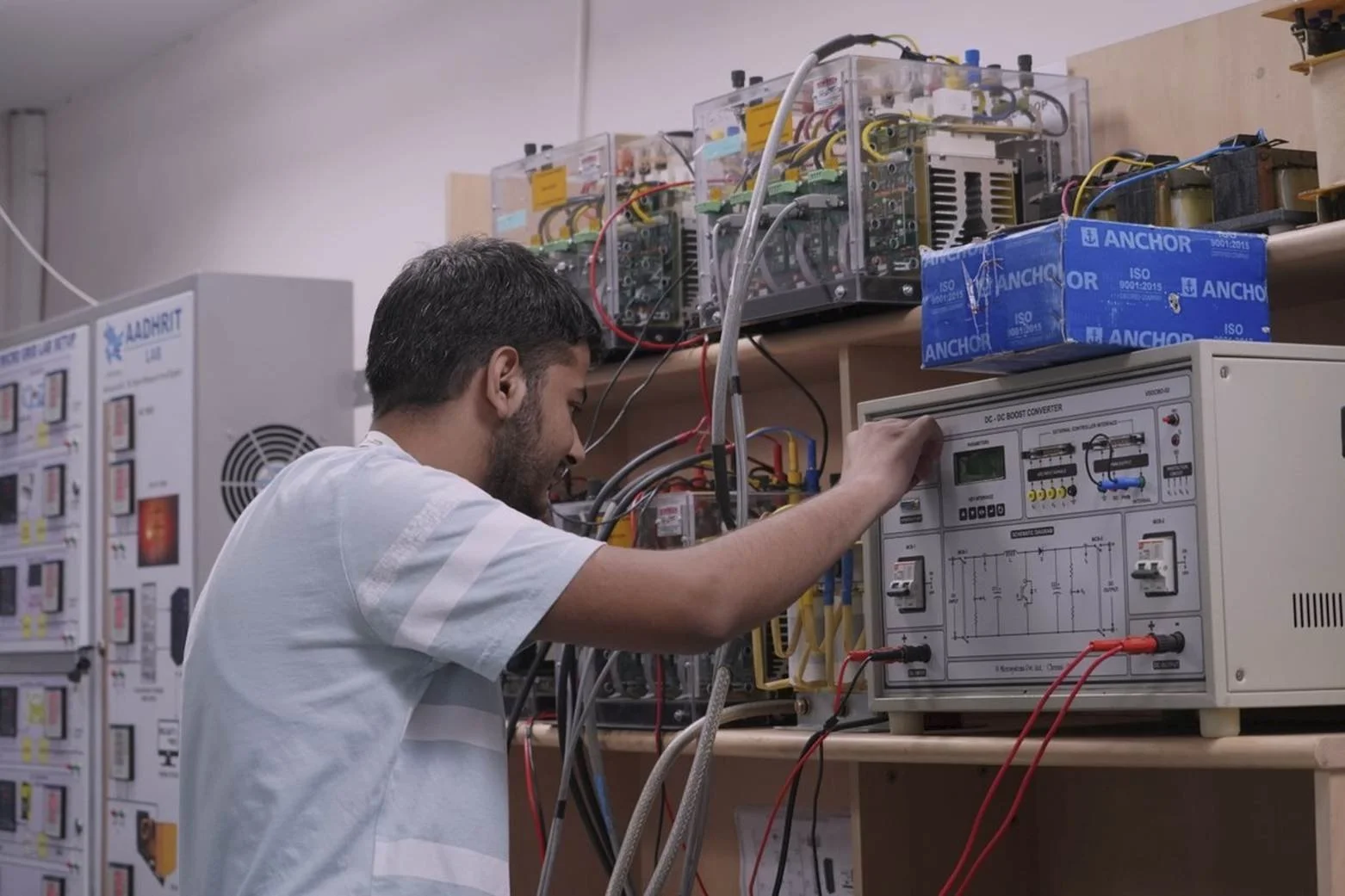
Photo by Hitesh Sharma on Pexels
Empathy isn't weakness
Some folks think empathy means going soft. They picture a leader who caves in and drops the rules. But that's just wrong.
You still stand firm on your non-negotiables. Those rules protect your culture, so they don't bend. Empathy just means you understand your people, too.
See things from their side
Good leaders try to see through other people's eyes. Once you get where someone's coming from, you lead better. Then you can shape your message to suit them.
That way, your real point gets across. People hear what you truly mean. And far less gets lost on the way.
Here's what it looks like in practice:
Put people at the heart of each decision.
Hold your core values, no matter what.
Listen first, then choose your words.
Check that your message actually landed.
Leadership is bigger than work
Real leadership doesn't end at the job site. It shapes how you act everywhere. So growing as a leader touches your whole life.
There's a nice bonus too. When you lead well, people notice. You often inspire folks you never planned to reach.
That ripple runs deep. Your example can guide a workmate, a new hire, or your own kids. You rarely know who's watching.
Why this works
Empathy and firm values pull in the same direction. One keeps your standards solid. The other keeps your people on side.
So lead with both at once. Stay clear on what matters, and stay open to others. That blend builds trust, and trust powers the rest.
Conclusion
The electrical construction industry keeps growing because people make a difference. Good leaders build trust, strong training builds skill, and safe work habits protect everyone. When workers feel comfortable speaking up, teams solve problems sooner and avoid bigger issues later.
Moreover, this industry offers real opportunities. It gives people a chance to earn well, learn useful skills, and build a career with purpose. The work is demanding, but the rewards are clear. You can see the results of your effort at the end of each day.
That said, success doesn't come from tools and equipment alone. It comes from people who care about safety, support their teams, and keep learning. Companies that invest in their workforce grow stronger and handle bigger challenges with confidence.
In the end, the future looks strong. Demand remains high, projects keep moving forward, and skilled workers stay essential. If the industry continues to put people first, it will keep growing and creating value for years to come.
FAQs
How does technology affect the electrical construction industry?
Technology helps teams work faster and more accurately. Digital tools improve planning, communication, and project tracking. As a result, crews can reduce delays and improve job quality.
Why is workforce retention important in the electrical construction industry?
Hiring new workers takes time and money. Companies that keep skilled employees build stronger teams and maintain steady project performance. Good leadership often improves retention.
What role does project planning play in the electrical construction industry?
Good planning helps teams stay organised from the start. It reduces confusion, controls costs, and keeps projects on schedule. Moreover, it helps crews work more safely.
How does mentorship benefit the electrical construction industry?
Mentorship helps new workers learn faster and avoid common mistakes. Experienced workers pass on practical knowledge. This creates stronger teams and supports long-term growth.
Why is communication important in the electrical construction industry?
Clear communication keeps everyone on the same page. It helps teams solve issues quickly and avoid costly errors. Good communication also strengthens trust among workers.