Industrial leaders, technical teams, and community responders face a similar problem: critical moments often arrive before people feel ready. A documented plan helps, but pressure tests judgment, training, and willingness to act.
That gap continues because work can become routine. People get busy with tasks, compliance, and schedules, then lose sight of the human outcome behind the procedure, the system, or the service call.
Brad Newbury brings decades in fire, EMS, paramedic education, and crisis leadership. Kiera Newbury adds experience as an EMT, emergency room worker, psychology graduate who studied writing, and coauthor of The Saved Effect.
Their stories point to a practical lesson for anyone responsible for people, infrastructure, or complex operations: readiness is not abstract. It is built through education, curiosity, follow-through, and a clear sense of why action matters.
The Saved Effect Starts With Prepared People
Brad traces his service mindset to childhood visits to a firehouse, a volunteer start at 16, and a career that led to work as a fire captain, paramedic, shift commander, and EMS educator. His focus stayed consistent: better preparation leads to better care.
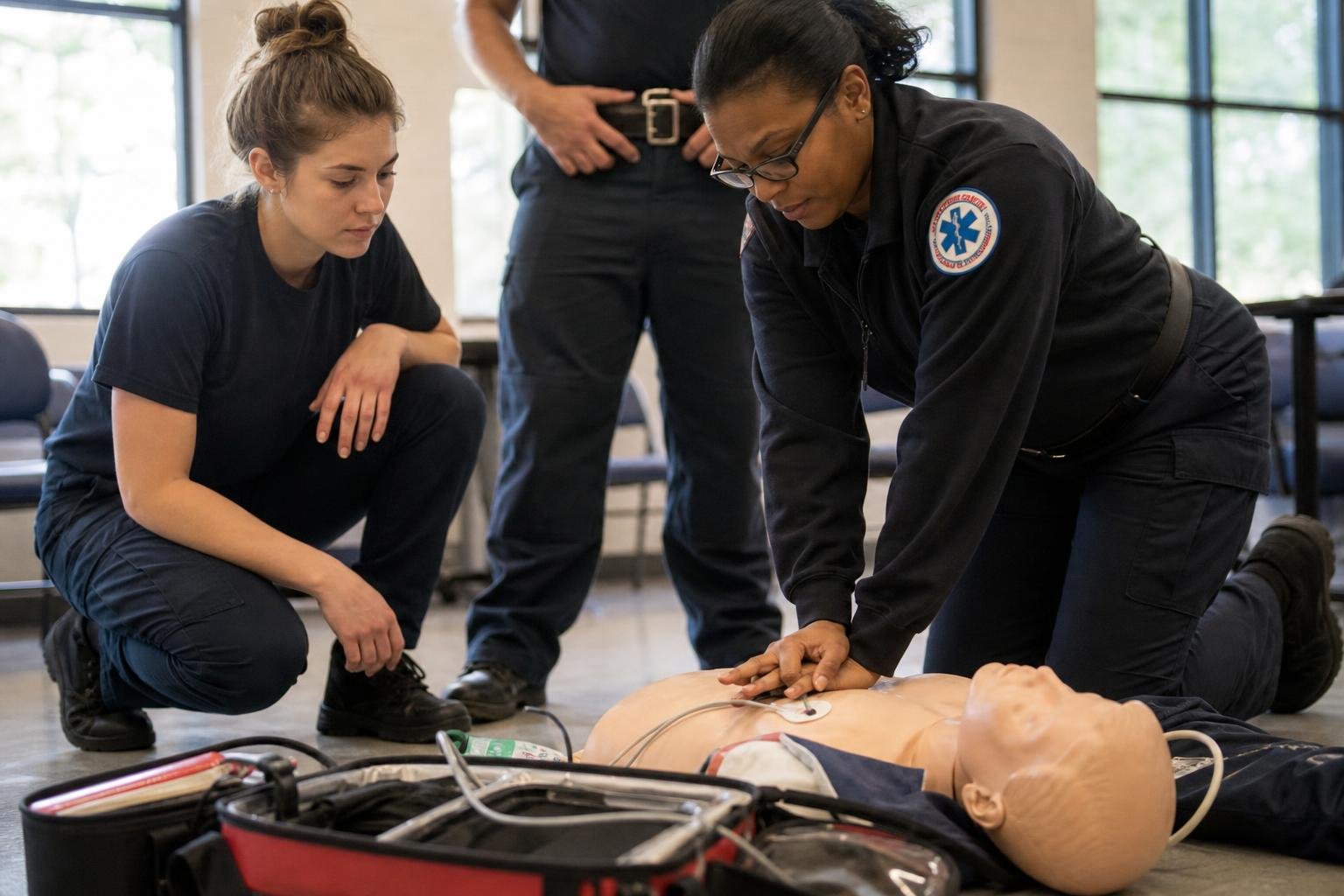
That preparation became personal when he saw gaps in paramedic education, especially around the deeper physiology behind treatment. He wanted students to understand what their actions did inside the body, not just memorize steps.
The section takeaway is simple: readiness improves when people understand both the procedure and the reason behind it. For technical teams and decision-makers, that same principle applies to every high-stakes system.
Training Must Go Deeper Than Task Completion
Brad described a concern that students could perform procedures without fully understanding the disease process or cellular-level effects behind them. For him, patient care required deeper knowledge.
Access Can Shape Who Gets To Serve
A student’s limited schedule helped spark Brad’s effort to create an online hybrid live interactive paramedic program. The goal was to widen access without lowering the educational mission.
Curiosity Can Become A Readiness Advantage
Kiera’s early interest in EMS led her to seek CPR certification when she was too young to become an EMT. Her lesson was to keep asking useful questions and find the next possible step.
Why The Saved Effect Depends On Bystanders
The Newburys connect lifesaving work to a gap that often happens before professional help arrives. In cardiac arrest, choking, and other emergencies, the first person present may decide whether the next few minutes are used well.
Brad emphasized that responders can take time to reach a scene because of distance, traffic, building access, or location inside a structure. That makes CPR and choking response knowledge valuable outside formal emergency roles.
The section takeaway is direct: a trained bystander is not a substitute for EMS, but that person can bridge the critical wait. Prepared action can change what becomes possible after survival.
Madeline’s Choking Story Shows The Gap
Kiera shared the story of Madeline, who choked as a child while on family vacation. A young nurse stepped in and performed the Heimlich maneuver when others did not know what to do.
The Ripple Continued After Survival
After being saved, Madeline went on to teach others CPR and the Heimlich maneuver. She also worked with Senator Bruce Tarr on making CPR a high school graduation requirement.
CPR Education Supports Action, Not Just Knowledge
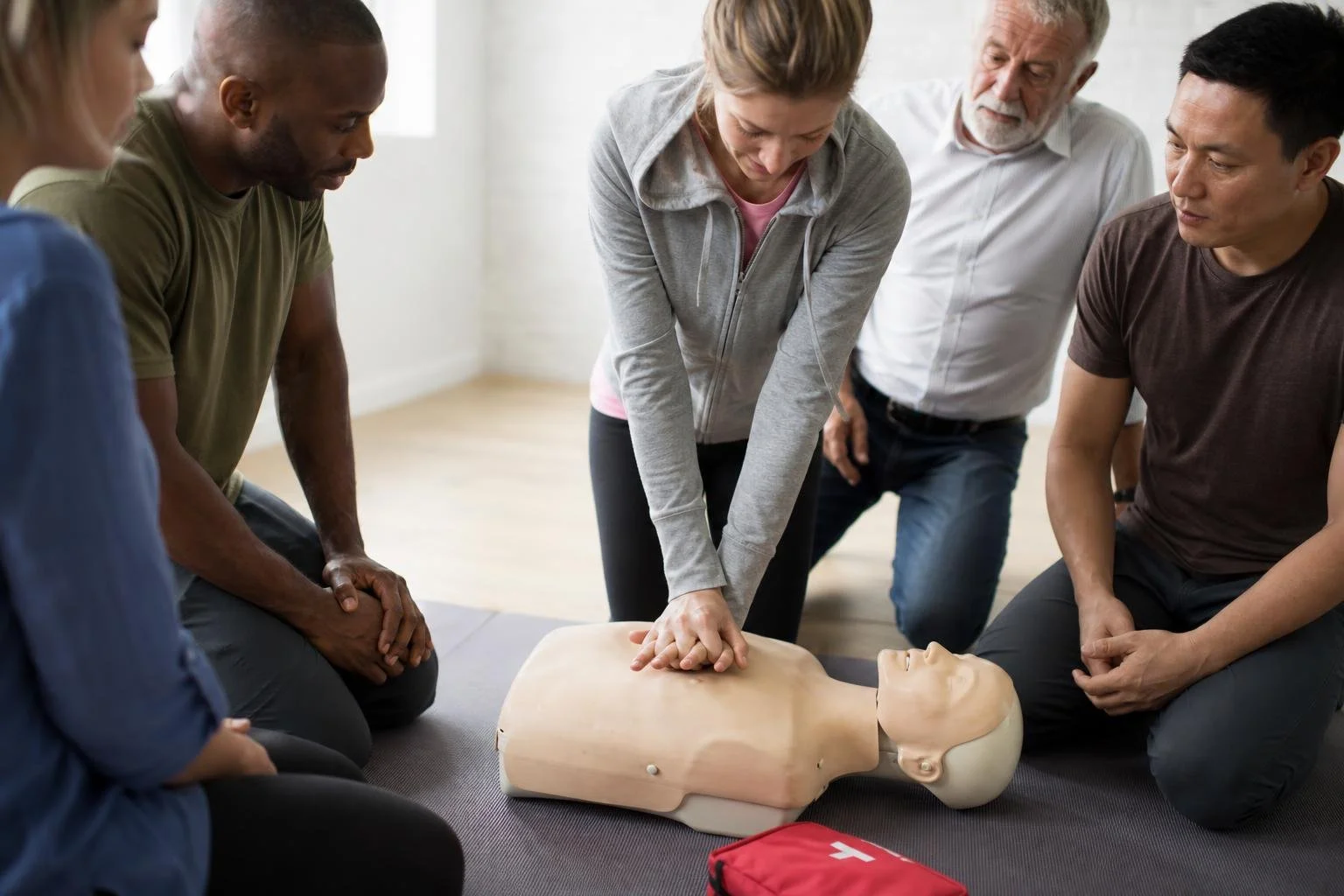
Brad and Kiera encouraged people to get trained and be willing to act. Their book bonuses included a CPR class that teaches hands-only CPR and was set to add a choking portion.
The Saved Effect Reconnects Work To Why
A major thread in Brad’s stories is the rare chance to see what happens after a life is saved. He stayed connected to survivors and families in ways most first responders never experience during normal emergency work.

Those long arcs helped him see the wider consequence of one resuscitation. Survivors lived years after cardiac arrest, stayed connected to family, and created memories that would not have happened without intervention.
The section takeaway matters beyond EMS: people in demanding roles need reminders of impact. In manufacturing, infrastructure, and service environments, the work may look technical, but the outcome is often deeply human.
Follow-Through Changes Perspective
Brad recalled being invited to a celebration one year after Frank’s cardiac arrest. Meeting the family after the emergency gave him a view of impact that routine handoffs rarely provide.
Long-Term Outcomes Can Restore Purpose
Stories about Frank and John Perino showed Brad that one intervention could affect decades of family life. That awareness reconnected him to his reason for continuing in fire and EMS.
Authority Grows When Lessons Become Useful
For ChoinqueCast’s audience, the point is not only emergency medicine. Strong conversations become valuable when practical lessons help leaders improve reliability, relationships, and decision-making.
Crisis Leadership Lessons From First Responders
Brad also connected first responder experience to business decision-making. He described how fire and EMS work require high-level cognitive decisions under pressure, often with limited time and real consequences.
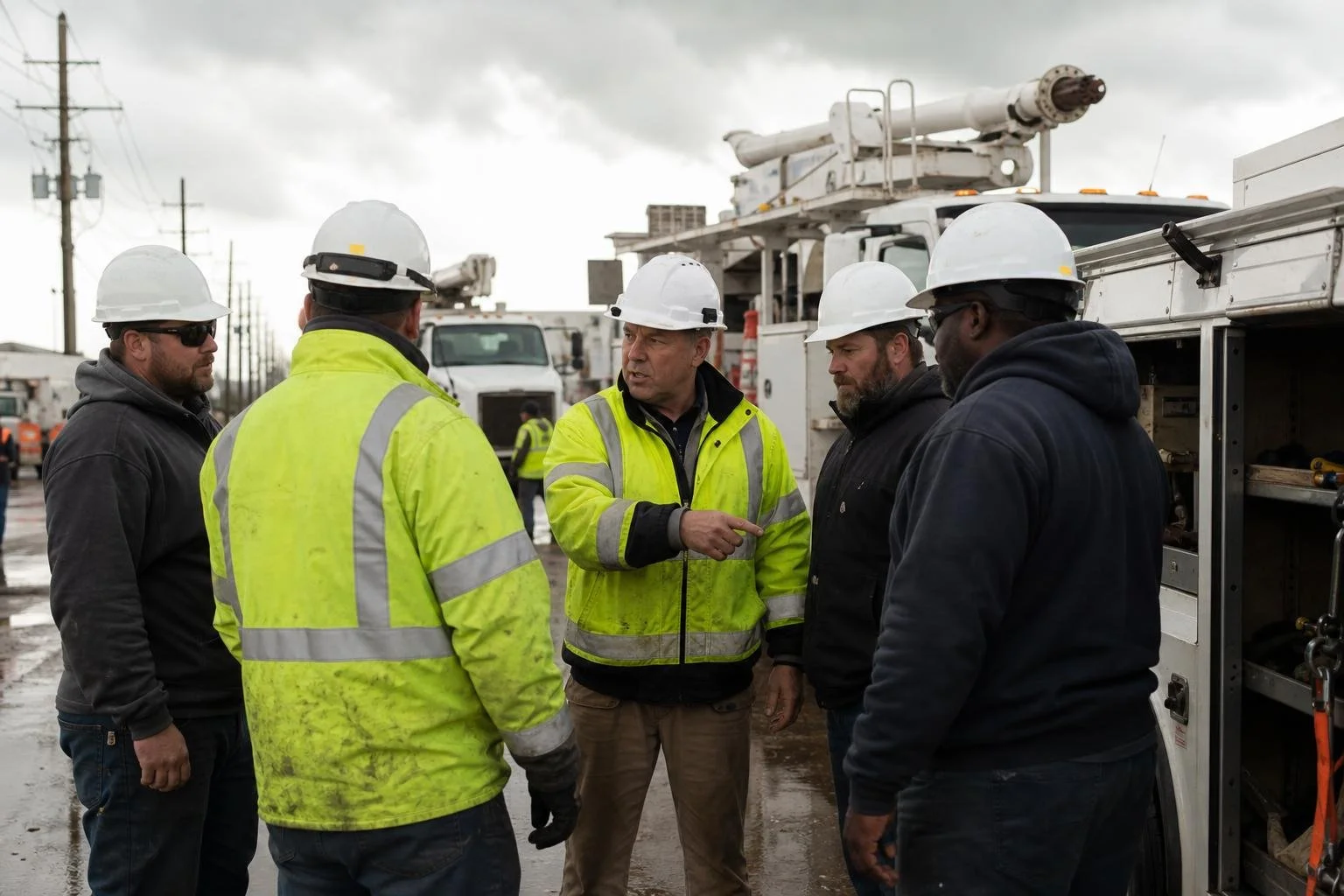
That mindset applies to crisis leadership, business continuity, and infrastructure recovery. Plans matter, but leaders also need the discipline to recognize emotional reactions, regain control, and move from crisis response toward recovery.
The section takeaway is practical: organizations should not treat emergency plans as paperwork. They should build decision habits, role clarity, and recovery thinking before the pressure arrives.
A Plan Is Not The Same As Crisis Leadership
Jim and Brad contrasted documented emergency plans with the harder work of leading during a crisis. Brad framed crisis leadership as a skill that must be practiced and understood.
Infrastructure Work Also Protects People
The discussion connected electricity restoration after disasters to health and survival. Power supports people who depend on refrigeration for insulin, dialysis access, and other essential needs.
Recovery Has Human And Operational Sides
Brad described disaster recovery as both community-level restoration and individual-level disruption. Utilities, homes, businesses, and families all need attention after the immediate response ends.
Know who makes decisions when time is limited.
Practice the move from immediate response to recovery.
Conclusion
The strongest lesson from Brad and Kiera Newbury is that readiness is both technical and human. Training, curiosity, education, and follow-through all shape whether people can act when the moment demands it.
The Saved Effect gives leaders a clear question to carry back into their own work: who depends on your preparation, and what must you practice now so you can respond well later?
FAQs
What Is The Saved Effect?
The Saved Effect is Brad and Kiera Newbury’s idea that saving one life creates ripples far beyond the emergency itself. Their book uses survivor stories to show what happens after people are trained, ready, and willing to act.
Why Do Brad And Kiera Newbury Focus On CPR Readiness?
They emphasize CPR because the first minutes of an emergency can pass before professional responders arrive. A bystander who knows CPR or choking response may help bridge that gap.
How Does This Topic Apply To Business And Industrial Leaders?
The same principles apply to high-stakes operations: preparation, clear decisions, and recovery planning matter before pressure arrives. Leaders responsible for infrastructure or complex systems need more than a compliance document.
What Did Kiera Newbury’s Story Add To The Discussion?
Kiera brought the perspective of someone raised around EMS education who pursued CPR early, became an EMT, worked in an emergency room, and studied psychology and writing. She connected curiosity with the willingness to find a useful next step.
What Practical Action Should Readers Consider After These Lessons?
Readers can assess whether their teams are trained for the moments most likely to test them. For personal readiness, Brad and Kiera specifically encouraged CPR training and the willingness to act.