

Ask anyone in construction, and they'll tell you it's a hard business. Margins are tight, deadlines loom, and the pressure rarely eases. Most firms just chase the next job and the next bit of profit. But the best ones do something different.
They put their people first. And that single choice often decides who thrives and who simply scrapes by. So what really sets a strong firm apart? Usually, it comes down to how its leaders treat the people around them.
Few people understand that better than Jeff Forrest, Sr., the Chief Executive Officer at WPC. He's spent around 47 years in the trade. Back in the late 1970s, he started as a labourer and carpenter's helper. From there, he worked his way up through nearly every role going.
He went from superintendent to project manager, and on to president. In 2007, he took majority ownership with his partners. He's also guided WPC through the 2008 crash, a cyberattack, and a smooth handover to his son.
This article explains how Jeff thinks about building better leadership in construction. You'll learn why empathy beats blame, and why adapting keeps a firm alive. We'll also look at staying calm in a crisis, hiring for the right attitude, protecting mental health, and letting the next generation lead.
How WPC Built a Business by Building Better Leadership
WPC began back in 1974 as Winter Park Construction in Florida. The name matched the city, and that gave the firm a handy local edge early on.
By the early 1980s, the company wanted to look bigger. So it dropped the long name and became WPC. Think of how HBO and IBM did the same thing. The roots stayed, but the new name carried more weight.
Smart branding mattered a lot here. Around 1989 or 1990, the firm grabbed the URL wpc.com. That made it the first general contractor in the United States with a web address. It's still a prized asset today.
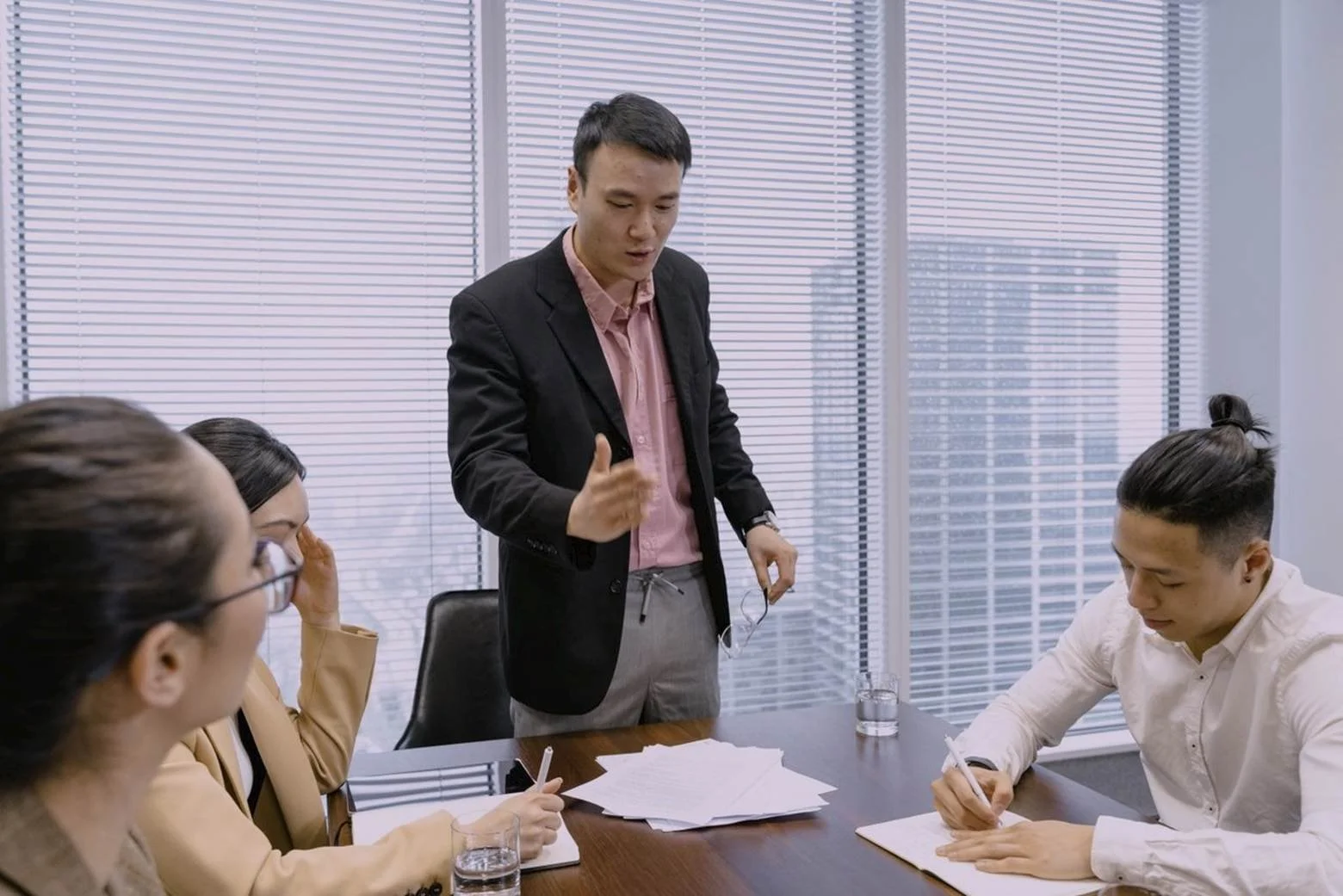
Photo by MART PRODUCTION on Pexels
What Projects WPC Takes On
WPC focuses on multi-unit construction. Its work covers a few markets, and each one touches real people at big moments.
Multifamily housing, like affordable rentals and student housing near colleges.
Senior living, one of the firm's proudest areas.
Hotels and timeshare, where Central Florida makes it a top builder worldwide.
Renovation work, often upgrading or rebranding older properties.
To WPC, buildings mean more than bricks. A senior home might be someone's last place to live. Student housing is often a young person's first taste of freedom. A hotel could host a rare, hard-earned holiday.
That thinking shapes the quality of every job. When teams picture the people inside, the care and craft go up.
How Leadership Changed Hands
WPC has grown in clear stages, much like a person grows up. It started small in renovation. Then through the 1980s and 1990s, it became a major general contractor.
Ownership shifted in 2007, and again when the next generation stepped up. By 2023, a new president took charge while the founder's successor became CEO. The firm keeps adapting, ready for whatever the market throws next.
Why Building Better Leadership Starts With People
Strong leadership in construction goes well beyond bricks and budgets. It starts with how you treat people. And that mindset shapes every other choice you make.

Photo by Vlada Karpovich on Pexels
Lead With Empathy, Not Frustration
One useful idea borrows from Buddhist thinking, treated as kindness, not religion. The goal is simple. Understand people, and stop trying to control every outcome.
So when someone underperforms, don't jump straight to work. Ask a better question first. 'Are you okay?' Maybe something's wrong at home, or with their health. Empathy beats blame every time.
This kind of care should flow in every direction:
Upstream, towards your clients.
Downstream, towards vendors and the people you pay.
Sideways, towards staff, their families, and consultants.
Good leaders don't squeeze people for results. The real benefit belongs to the person doing the work, and the business wins too.
Why You Must Keep Adapting
Here's the truth. Teams change, people change, and economics shift all the time. If you cling to 'this always worked before', you hold yourself back. Let go of old habits, and you clear the path forward.
That's why constant learning matters so much. Stay curious right up to your last breath. So read books, listen to podcasts, and put tools like AI to real work.
A Hard Lesson From a Downturn
Tough times teach the sharpest lessons. During one crash, a firm cut about 100 of its 165 staff. That's brutal, and few choices hurt more.
The people who stayed took pay cuts just to survive. But here's the lesson that landed years later:
Let a few more people go, rather than spreading the pain thin.
Pay the rest 10 or 20% more, instead of cutting their wages.
That move would've paid off big. People remember kindness. They'd feel thankful, work harder, and stay loyal for years.
Staying Calm Under Pressure While Building Better Leadership
Tough moments test every leader. But the way you handle them shows your real strength. So here's how a steady mindset turns crises into lessons.

Photo by Yan Krukau on Pexels
Start at the End, Not the Problem
When trouble hits, don't drown in it. Picture the way out first. There's always light at the end, even if you can't see it today. The sooner you focus on the fix, the faster you move on.
This works everywhere. Money worries, health struggles, and broken relationships all improve the same way. Decide where you want to end up, then work backwards.
Build the Right Team for a Crisis
Take a cyberattack as an example. When one hits, panic spreads fast, and people freeze. But the smart move is simple. Get the right experts in quickly.
A strong crisis team usually includes:
Legal advisors to handle the risks.
Security specialists to check the damage.
A skilled negotiator to deal with the attackers.
Patience pays off too. One firm dragged out talks for eight weeks and paid nothing. Hackers normally move on fast, so that's rare. They lost a little history, but nothing vital. Better still, the business came out far more secure.
Lead With Stability, Not Ego
Here's the real lesson. People want a leader who stays calm under fire. So watch how you react, both to your team and inside yourself. That steadiness is what others look for.
There's an old Buddhist idea worth keeping. If something isn't life or death, your reaction often comes down to ego. So check your motivation honestly.
Time drives this point home, too. Think in summers, not years. If someone lives to 78, that's barely 18 summers left. So picture where you want to be at the end. Then ask what you must do now to get there.
How Company Culture Supports Building Better Leadership
Culture sits at the heart of any good company. It starts at the top, but it really lives in the people doing the work each day.
Photo by Gustavo Fring on Pexels
Build a Culture of Serving Each Other
When people enjoy work, they do it well. So the smartest core value is simple. Serve each other first, then your clients, then your community. Get that order right, and the rest just follows.
It comes down to an old idea: 'good thoughts, good words, good deeds'. Think right, speak right, and act right. Empathy counts too. If you help someone through a rough patch, they'll work harder for you.
What to Look for When Hiring
Skills aren't everything. The right attitude and energy matter far more. The best people walk in keen to learn and patient enough to grow.
Strong hires usually share these traits:
Hunger to learn, even with little knowledge.
Patience, since the trade rewards time in the field.
A team-first mindset, not just a chase for the next title.
Plenty of top superintendents and managers start with very little. But their drive carries them up. The field is the best classroom, even when it's hot and hard.
Don't Forget Mental Health
Here's a hard truth. Construction has the highest suicide rate of any industry. The stress, money worries, and pressure all pile up fast.
So treat mental health like safety. Make it a normal part of every meeting. And change how you check in. Don't just ask, 'How are you?' Instead, ask, 'What's going on in your world?' That question gets a real answer.
Let the Next Generation Lead
When you pass the reins, your main job is to step aside. Share your wisdom, but let young leaders make their own calls. Knowledge is knowing facts. Wisdom is knowing how to use them.
Conclusion
WPC's story shows one clear truth. Great firms grow from great people, not just great builds. The company started in 1974. Then it grew through smart, steady choices. But the real lesson runs deeper. Leadership isn't about control. It's about care.
Empathy drives all of it. So treat your clients, vendors, and staff with real respect. Ask people how they're doing, and mean it. When you lead with kindness, loyalty follows.
Adapting matters too. Teams shift, markets change, and old habits hold you back. So stay curious, keep learning, and let young leaders lead. Share your wisdom, then step back.
Hard times test all of this. Yet a calm leader turns a crisis into a lesson. Start at the end, build the right team, and leave your ego at the door.
In the end, building better leadership comes down to people. Serve them first, look after their mental health, and the business wins too. That's the WPC way. And it works.
FAQs
How long does building better leadership take in a construction firm?
There's no fixed timeline. It takes years of steady habits, not one quick fix. You build trust slowly, through daily choices. So treat it as a long game, not a sprint.
Can small construction firms start building better leadership early?
Yes, and they should. Small firms have a real edge here. Fewer people means closer bonds and faster trust. So start good habits now, while the team is still small.
How do you measure success when building better leadership?
Watch your staff turnover, loyalty, and morale. Happy people stay, work harder, and refer others. Client repeat rates tell a story too. Numbers help, but the mood on site says plenty.
Does building better leadership cost a firm more money?
Not really. Empathy and respect are free. That said, fair pay and training do cost something. But loyal, motivated staff save you far more over time.
How does building better leadership help with hiring and keeping staff?
Good leaders attract good people. Word spreads fast in the trade. When you treat staff well, they stay and tell others. So your reputation does much of the hiring for you.