
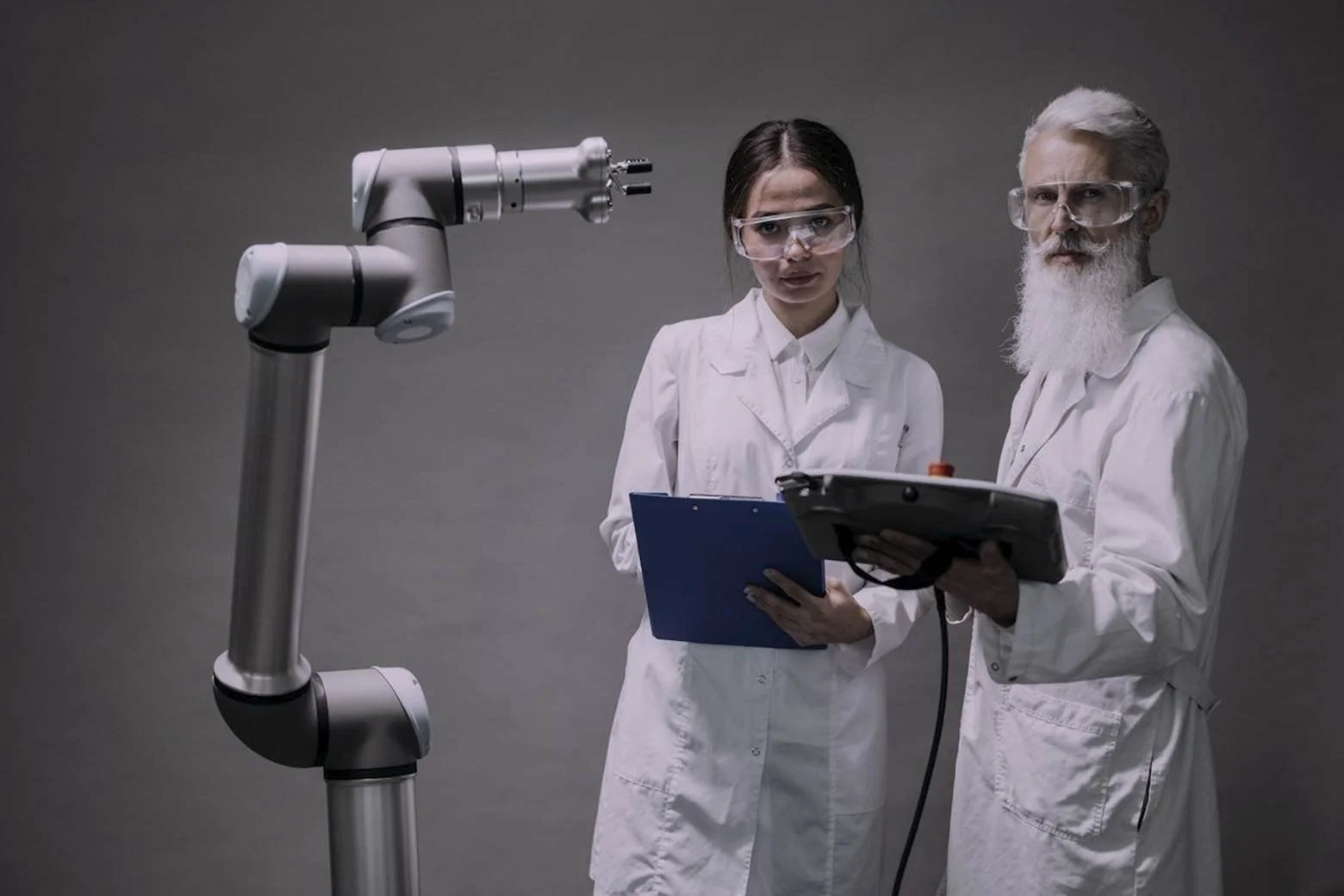
Healthcare is changing fast, and technology now shapes many parts of modern patient care. Surgeons use robotic systems for better control during difficult cancer operations.
At the same time, hospitals and emergency teams rely more on digital tools every year. These systems improve planning, reduce mistakes, and help teams respond faster during serious situations.
Honestly, older methods often slow people down when every second matters. That’s why more organizations now invest in smarter and more practical systems.
As a result, healthcare technology keeps improving surgery, public safety, emergency response, and patient recovery in real and useful ways.
Many of the ideas in this article come from Dr. Maria Bell. She is an experienced cancer surgeon, physician, and technology founder with around 70 peer-reviewed publications.
She studied medicine at the University of South Dakota and completed her residency at the University of Chicago.
Dr. Maria Bell also became one of the early researchers studying robotic surgery, patient recovery, and surgeon ergonomics.
Through Digital Twin Imaging, she now develops lidar scanning systems, digital building models, and emergency planning tools for schools, first responders, and public organizations.
In this article, we will learn how robotic surgery improves precision and helps patients recover faster after cancer treatment. We will also explore how digital twin imaging supports school safety, emergency planning, and first responder coordination.
Moreover, we will examine how modern imaging systems help emergency teams make quicker and safer decisions during critical situations.
How Healthcare Technology Is Improving Cancer Surgery
Robotic surgery changed cancer treatment because it improved precision, comfort, and recovery during difficult operations. At first, many surgeons doubted the technology.
Traditional laparoscopy already worked well, so some believed robotics added little value. However, that opinion changed quickly once surgeons used the system directly.
Photo by Pavel Danilyuk on Pexels
Better Precision During Surgery
One of the biggest improvements is three-dimensional vision. Traditional laparoscopic surgery uses flat imaging, so surgeons must mentally judge depth during procedures.
That process takes intense focus and experience. Robotic systems instead provide true 3D visualization, which makes movements feel more natural and accurate.
That difference clearly matters during cancer surgery because surgeons work close to delicate structures like:
Major blood vessels
Important nerves
Sensitive organs
Even tiny mistakes can create serious problems. Better depth perception helps surgeons operate more safely and confidently. Robotic systems also improve movement control.
The instruments allow smaller and steadier hand movements during complex procedures. As a result, many surgeons find the system easier and more precise after using it firsthand.
Less Physical Strain for Surgeons
Traditional laparoscopic surgery can seriously strain the body during long operations. Surgeons often hold uncomfortable positions for hours while focusing intensely on fine movements.
Over time, that strain can cause neck pain, shoulder tension, and spine problems. Honestly, that physical stress becomes exhausting after years in surgery.
Robotic systems reduce much of that pressure because surgeons work from a more supported position. Their head, arms, and shoulders stay more relaxed during procedures. That comfort helps surgeons stay focused longer without severe fatigue.
Faster Recovery for Patients
Patients also recover faster after many robotic procedures. Hospital stays often become much shorter compared to open surgery. Some patients return home within 24 hours and resume light work within weeks.
That shorter recovery helps patients emotionally and financially. It also lowers overall healthcare costs because patients spend less time in the hospital and recover faster at home.
How Healthcare Technology Uses Digital Twins for Safety
Digital twin imaging creates virtual versions of real buildings using lidar scanning and 3D modelling. These digital spaces help organizations train teams, improve planning, and respond faster during emergencies.
The technology became more important during the pandemic when virtual environments started growing rapidly. Industries like gaming, music, fashion, and sports quickly entered digital spaces.
However, healthcare services still had very little presence there. That gap raised an interesting question. Could virtual environments practically support healthcare? One early focus was adolescent mental health support.
Many younger patients already feel comfortable inside gaming-style digital spaces. So virtual clinics and therapy environments started looking more useful and realistic.
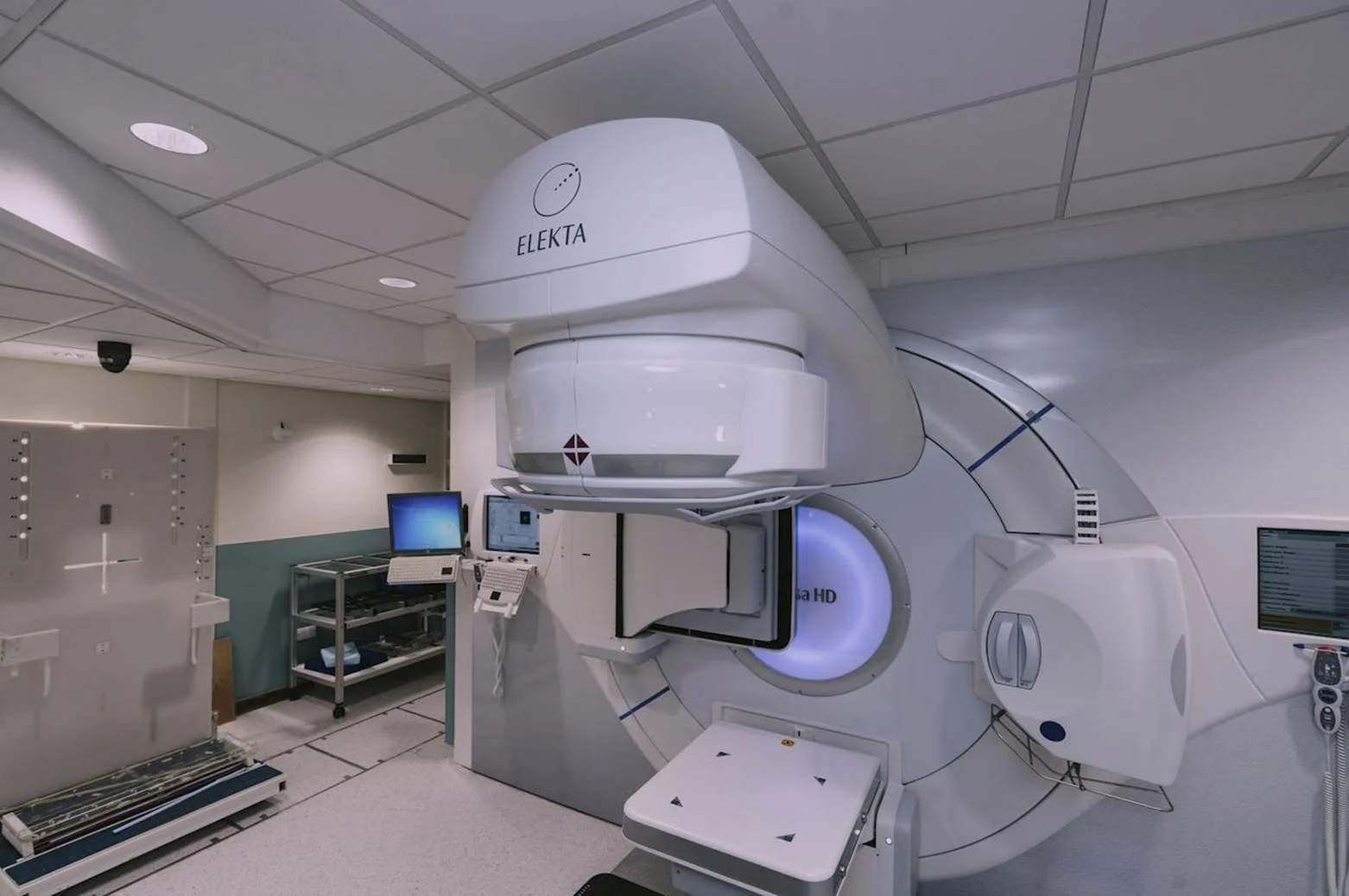
Photo by Jo McNamara on Pexels
Why Lidar Scanning Became Important
Lidar scanning converts real buildings into highly detailed digital models. People can then walk through those spaces virtually from anywhere.
At first, organizations mainly used the technology to create interactive building tours. However, the real value quickly became much bigger than that.
These digital models can include:
Building layouts
Safety information
Training tools
Emergency planning details
That flexibility made the technology useful for schools, healthcare facilities, churches, and public buildings.
How Digital Twin Models Help During Emergencies
The strongest use case appeared in public safety. Emergencies often become chaotic because different teams don’t share the same building information.
Confusion about entrances, exits, hallways, or room locations wastes valuable time during a crisis. Digital twin models help solve that problem because first responders can study buildings before emergencies happen.
Police, firefighters, medical teams, and school staff can all access the same virtual model and prepare in advance. That shared information improves coordination and decision-making under pressure.
Several major school safety failures also pushed organizations to rethink emergency preparation more seriously. As a result, many schools and public institutions started adopting digital twin imaging systems to improve training, planning, and crisis response.
How Healthcare Technology Helps Schools and First Responders
Digital twin imaging is becoming much more than a virtual tour tool. Schools, architects, and emergency teams now use these models to improve safety, planning, and daily operations.
One big problem during emergencies is confusion. Many schools still rely on old floor plans or simple drawings. Honestly, those plans often don’t help much during a fast-moving crisis.
Digital twin models fix that issue because everyone works from the same interactive building model.
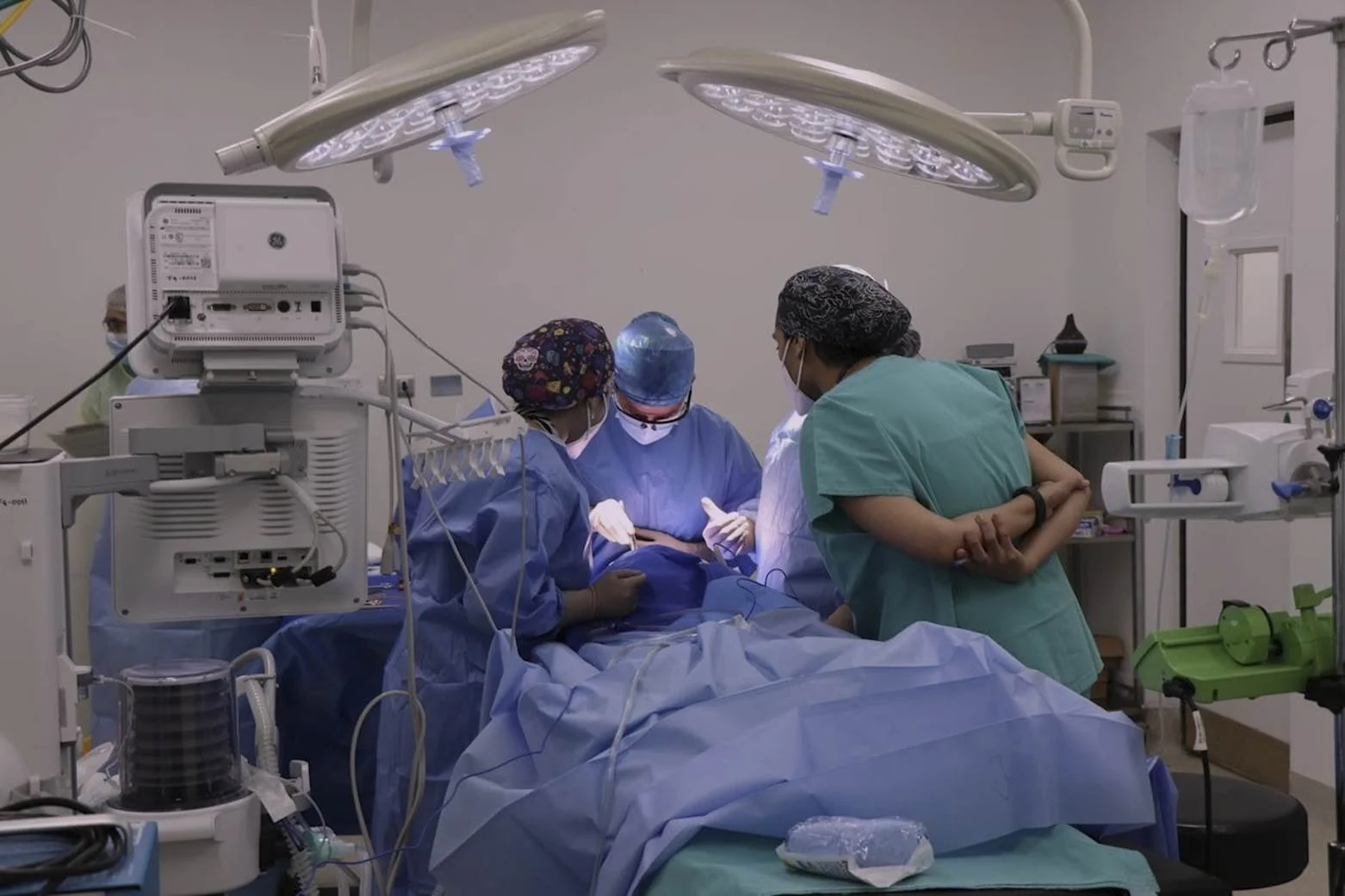
Photo by Raul Infante Gaete on Pexels
How Schools Are Using the Technology
Schools are already finding practical uses for these systems outside emergency planning. For example, school boards can review building layouts remotely instead of travelling between campuses constantly.
Teams can sit together, open the models, and discuss classroom space, renovations, and operational changes much faster. Architectural firms also benefit from the technology. Normally, architects must visit buildings, take measurements, and collect photos before planning starts.
Digital twin models reduce much of that work and help schools save thousands of dollars early in renovation projects. Moreover, preventing even one major construction mistake later can save huge amounts of money.
Why First Responders Support the System
First responders strongly support these models because they improve preparation without adding costs to emergency teams. Schools usually own the building data and decide who can access it.
Police, firefighters, and medical responders receive secure access through dedicated portals, so they can study buildings before emergencies happen.
That preparation helps responders understand:
Building layouts
Entry points
Exit routes
Critical access areas
As a result, emergency teams coordinate faster and make better decisions under pressure.
Why Leadership Changes in Modern Tech Companies
Building a modern tech company also creates new leadership challenges. Traditional medical environments often operate with strict expectations and tough workplace cultures.
However, younger technology teams usually expect more flexibility, communication, and emotional awareness.
That adjustment can feel frustrating sometimes, especially for leaders used to high-pressure environments. Still, many modern teams perform better when leaders balance high standards with patience and support.
How Healthcare Technology Could Improve Emergency Dispatch
Digital twin imaging is becoming much more than a virtual building tool. The technology now supports emergency response, public safety, architectural planning, and real-time building management. One of the biggest future uses is emergency dispatch integration.
Photo by Tima Miroshnichenko on Pexels
Why Current Emergency Mapping Still Falls Short
Most emergency dispatch systems still rely heavily on flat two-dimensional maps. Dispatch teams can usually identify a caller’s location inside a building horizontally, but vertical positioning remains a serious problem.
In simple terms, responders might know where someone is, but not what floor they are on. That problem becomes dangerous during emergencies inside schools, hospitals, offices, and apartment buildings. Honestly, even small delays can completely change an outcome.
Digital twin imaging helps solve that issue by combining detailed 3D building models with emergency dispatch systems. Dispatch teams can then view buildings with much better accuracy during active emergencies.
That improvement helps with:
Floor-level location accuracy
Faster response coordination
Better building visibility
Safer emergency decisions
Moreover, governments and telecom providers now face growing pressure to improve indoor location accuracy. Several major emergency response failures exposed how dangerous poor location data can become during crises.
Why Public Safety Is Driving Growth
Public safety agencies strongly support this technology because the practical value is obvious. Schools also benefit because they control the building data, while emergency teams receive secure access when needed.
As a result, more schools and public organizations are starting to adopt these systems for planning and emergency preparation.
Why Product Development Depends on Listening
Strong technology companies don’t only build flashy tools that look impressive during demonstrations. They listen carefully to the people using the systems daily.
First responders often explain:
What slows emergency response
What creates confusion during crises
Which tools improve safety the most
What information teams actually need
That feedback helps technology teams build tools that solve real operational problems instead of creating features nobody truly uses.
Conclusion
Healthcare keeps changing because technology now solves real problems faster. Surgeons work with better control, and patients recover in less time. Shorter hospital stays also reduce stress, costs, and long recovery periods. That change clearly helps both doctors and patients every day.
At the same time, digital twin systems improve safety and emergency planning. Schools, hospitals, and first responders now share the same building information. So teams react faster, avoid confusion, and make better decisions during emergencies. Honestly, older paper maps simply don’t help enough during serious situations.
Moreover, strong progress comes from listening to real users carefully. First responders, surgeons, and healthcare staff explain what actually works daily. That feedback helps companies build useful tools instead of flashy systems nobody needs.
Overall, healthcare technology now improves surgery, patient care, safety, planning, and emergency response in practical ways. The results are simple but important. People get faster care, better support, and safer outcomes when technology solves real-world problems properly.
FAQs
How does healthcare technology help doctors train for difficult surgeries?
Modern systems now let doctors practice inside virtual surgical environments before real operations. That training improves confidence, hand control, and decision-making. Moreover, younger surgeons learn complex techniques much faster with visual simulations.
Why does healthcare technology matter for rural hospitals?
Many rural hospitals struggle with limited staff and specialist access. Digital systems help doctors share scans, records, and treatment plans remotely. As a result, patients often receive quicker support without long travel delays.
Can healthcare technology reduce medical paperwork?
Yes, it clearly helps reduce manual paperwork inside hospitals and clinics. Digital records save time and improve organizations during busy working hours. Honestly, fewer forms also reduce stress for both staff and patients.
How does healthcare technology improve patient communication?
Hospitals now use apps, portals, and messaging systems for faster communication. Patients can check appointments, reports, and treatment updates more easily. That simple access helps people feel calmer and better informed.
How does healthcare technology support hospital security?
Modern systems monitor building access, emergency alerts, and restricted medical areas carefully. Digital tools also track visitors and staff movement during emergencies. That added control improves safety inside busy healthcare facilities.