Technical work is changing fast, and the pressure on teams is rising with it. Projects are bigger, timelines are tighter, and the work touches more groups than ever before.
People who started as pure technical staff now find themselves guiding others, shaping decisions, and dealing with fast-moving demands.
It leaves many wondering how to grow as leaders without losing the strengths that make them good at technical work in the first place. This shift is where real Technical Leadership starts to form.
Much of what we explore in this article comes from the experience of Christopher Mattila, a senior leader with a long career in the energy and infrastructure sectors.
He now works at American Transmission Company (ATC) as a Director of Construction Project Management, where he leads major capital projects and supports teams amid rapid growth driven by data center demand and supply constraints.
Before this, he built the first PMO at Minnesota Power, rebuilt another PMO in the consumer goods sector, grew transmission work at Burns and McDonnell, and later directed project management at MYR Group.
His career shows how steady habits, clear systems, and honest talk help leaders guide people through heavy change.
In this article, we will look at how leadership forms in technical roles, how growth pressures shape teams, what fears surface when work expands fast, and what helps people stay grounded through it all.
We will also see how strong culture and clear process support teams when the work becomes complex, and the pace never slows.
What Sparks Technical Leadership for Technical Professionals?
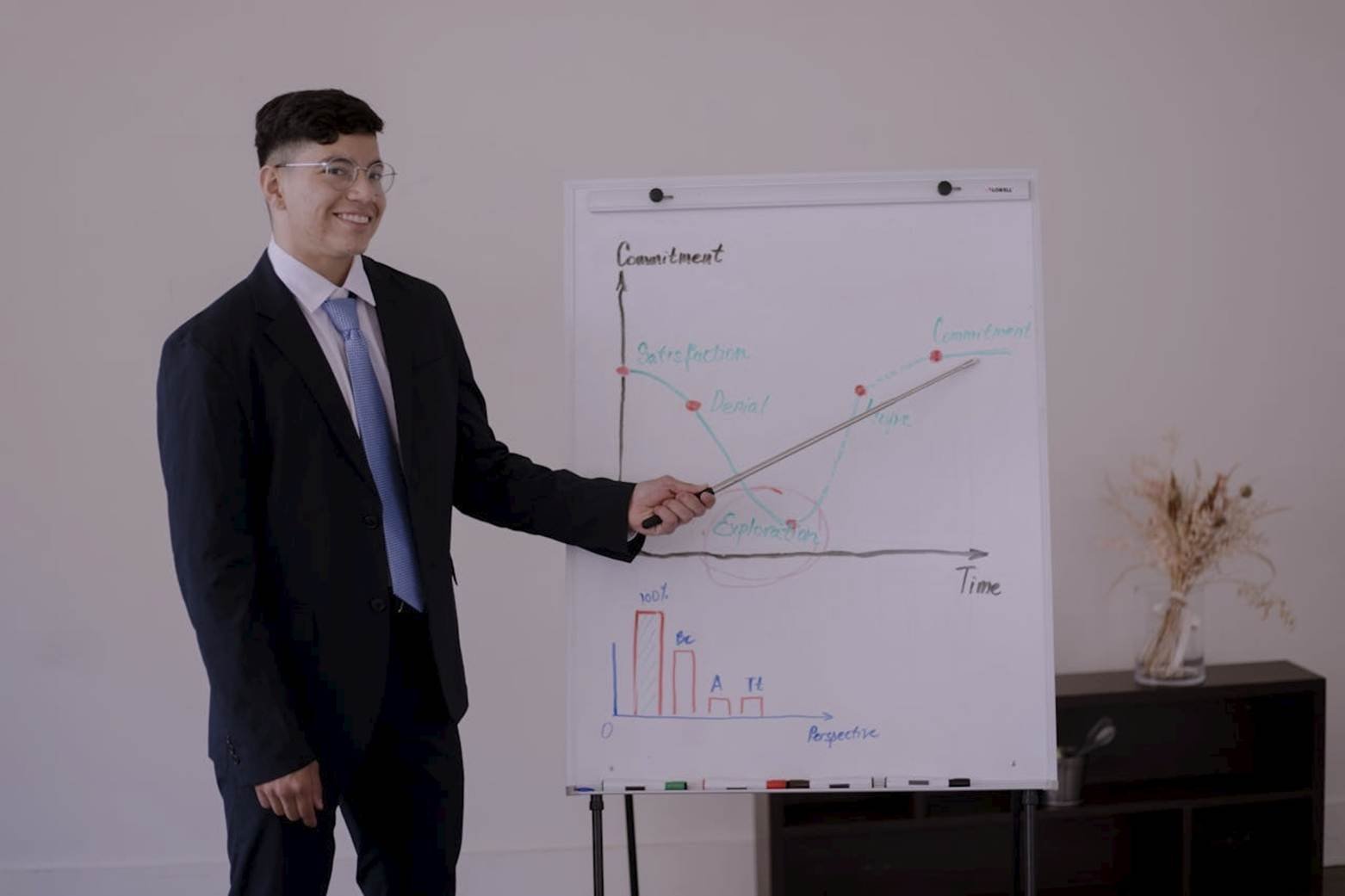
People often step into leadership long before anyone labels them a leader. It starts when technical work expands, and you find yourself guiding tasks, helping others, and making choices that shape progress. These small shifts build confidence and slowly change how you see your role.

Photo by Kampus Production on Pexels
From Technical Focus To Structured Oversight
A clear turning point comes when the work needs more order. Setting up a project management office is a good example because it forces you to organize projects, connect teams, and create simple steps that keep work clear.
You soon notice that people respond in different ways. Some enjoy the structure, but others worry about change. Balancing both groups teaches you how to stay calm, fair, and steady as things shift around you.
Growth Through New Environments And Roles
Growth also happens when you step into new industries. Moving from heavy industry into a research-driven or consumer-focused space can feel strange at first.
The pace is different, and the goals change. But you learn fast, and you build a wider view of how work gets done.
That said, consulting brings its own lesson. You solve tough problems and see many work styles, but you don’t always get the deep team links you might want. This helps you understand what kind of leadership work feels right for you.
Leading Through Expansion
Leadership becomes clearer when an organization grows fast. Rising workloads and tight timelines push leaders to rethink how teams work.
Growth often needs updates in three areas:
A process that keeps tasks simple and clear.
Tools that reduce slow manual steps.
Management that supports teams as they take on more work.
Project mixes also change, and limits on materials or outage times add pressure. Strong leaders look ahead and adjust with care so the team doesn’t feel lost.
A shared vision helps. You set clear goals, refine them as needs rise, and ask managers to shape their own plans so everyone moves with purpose.
Protecting Culture Through Change
Growth affects people, not just systems. Strong leaders watch the culture closely because trust, steady talk, and support keep teams grounded. When people feel safe and heard, they face change with more ease. This balance lets an organization grow without losing who it is.
What Fears Surface When Rapid Growth Hits Technical Leadership?
Rapid growth often looks exciting from the outside, but within a team, it can cause real concern. When projects grow rapidly and expectations rise, people feel uncertainty. Leaders worry too, not about the workload itself, but about how the culture will hold up under pressure.
Photo by RDNE Stock project on Pexels
Early Pressure Points That Shape How People Feel
Growth usually exposes issues that already sit in the system. Some common examples include:
Unclear paths for career growth.
Work mixes that feel unfair or confusing.
Small admin tasks that drain time and patience.
Clearing these issues early makes a huge difference. It shows people that their concerns matter and that change can help, not overwhelm. Moreover, it sets the stage for honest talk, which is the base of any strong culture.
Openness plays a big part here. When leaders speak plainly and act with consistency, people feel more at ease. Authentic behaviour removes guesswork and builds trust, which becomes vital during busy times.
Protecting Culture During Large-Scale Expansion
A fivefold rise in planned work doesn’t mean you can hire five times more staff. It means you must improve how the whole system works. Strong engagement helps. When people know they can raise issues without fear, they stop sitting alone with problems. This simple shift increases energy and reduces wasted effort.
Growth also touches more than project teams. Engineering, construction, supply chain, and real estate must all move with shared goals. Clear updates, shared vision dates, and steady messaging help everyone stay aligned, even when timelines tighten.
Rising Complexity In Modern Project Work
Modern infrastructure work moves faster and hits harder. Data centers push strict schedules because every day counts for them. Larger loads and shifting needs create broader project chains, not just a single upgrade. Teams must adjust quickly, plan early, and hold steady through change.
Older projects felt simpler and slower. Today, everything happens fast. That said, teams handle this pace far better when culture stays strong, processes stay clear, and leaders stay close enough to support real people through real pressure.
How Do Teams Deliver Under Tight Timelines with Technical Leadership?
Large energy projects now move at a pace that feels intense. Loads are bigger, deadlines are shorter, and expectations are high. So teams must work differently if they want to keep control and deliver strong results.

Photo by Gustavo Fring on Pexels
Rising Demand And Limited Resources
Today’s projects face clear limits that shape every plan.
Some of the biggest are:
Long equipment lead times that now stretch into years.
Limited labour pools, especially skilled linemen.
Large regional projects that run for years and need steady crews.
Because of this, teams must plan earlier than ever. They can’t wait for perfect timing. They must secure equipment fast, line up labour in advance, and keep vendors in close contact.
Moreover, they must manage several projects simultaneously, not one after another. That balance takes clear systems and steady communication.
End-To-End Project Ownership
Projects run smoothly when managers stay involved from the very start. If they help shape the idea, assess system impact, and think about delays early, they avoid later surprises. Early ownership builds confidence and speeds up decisions.
However, more ownership means more responsibility. Project managers must understand how they lead and how they affect others. Training matters here. When they know their own style and limits, they guide teams with more clarity and calm.
Culture That Supports Agility
Rapid growth often raises a simple fear. Will people lose their independence? In practice, teams adjust well when they understand the bigger picture. Their shift toward agility works because:
Success becomes a team goal, not a solo race.
People adjust priorities based on system needs.
Pausing one project to support another feels reasonable.
That said, none of this works without open talk. When leaders explain why changes happen, people accept them more easily. Agility then feels like strength, not chaos, and culture stays steady even when the workload climbs fast.
What Helps Project Leaders Under Technical Leadership Pressure?
Leaders in fast-growing infrastructure work often feel squeezed from both sides. Demand keeps rising, yet people and resources stay tight. Even when processes look strong, the workload can still feel overwhelming. So the real shift starts with people, not paperwork.

Photo by Gustavo Fring on Pexels
Understanding The Situation Before Acting
First, take time to understand the current state. Look at what works, what slows progress, and what blocks the next step. Moreover, invite your team into that conversation. When people see the full picture, they engage differently.
Clear change management makes a difference. If you adjust a process, explain what you want to achieve and why it matters. Also ask, ‘What do you think?’ That simple question opens useful insight and builds trust.
Two early moves help set the tone:
Fix long-standing issues quickly, especially those that frustrate staff.
Involve project managers when shaping tools and processes.
When people help design the solution, they don’t resist it. They support it.
Working Across Functions
Growth makes interdependence obvious. Project teams can’t succeed alone. Engineering, construction, supply chain, and real estate all affect outcomes. So leaders must spend time across these groups and build strong relationships.
Authenticity matters here. When leaders speak plainly and act consistently, people relax. They know what to expect. That steady tone reduces tension during busy periods.
What Strengthens a Healthy Culture
A healthy culture doesn’t happen by chance. It grows from inclusion, careful hiring, and open feedback. Organizations that take time to hire well build stronger teams over time. Once people join, clear feedback helps them grow.
Regular discussions about strengths, gaps, and future goals keep development active. Everyone receives the same level of review, which builds fairness. There are fewer surprises, and trust deepens.
Moreover, when people genuinely care about one another’s success, performance improves. That shared care, along with steady communication, allows teams to handle bold growth without losing connection, clarity, or purpose.
Conclusion
Technical work keeps growing in speed and scale, so leaders must grow with it. The stories in this article show that real progress comes from small, steady choices.
Leaders pay attention to how people feel, fix issues before they grow, and keep the work clear. When they explain the reasons behind a change, teams relax and focus. It’s a simple shift, but it carries a lot of weight.
Moreover, the work itself now sits across many groups. Engineering, construction, supply, and project management all depend on each other. If one group slows down, the whole plan feels it.
Strong leaders don’t hide from that truth. They talk often, build trust, and keep goals easy to understand. This approach gives teams space to think and act without fear.
Culture matters just as much. Growth can stretch people thin and spark worry. Yet teams stay steady when leaders protect open talk, fair chances, and clear feedback.
When people feel safe, they ask better questions and take thoughtful risks. They also stay patient during fast change, which is a strength in any hard season.
In the end, Technical Leadership isn’t a title. It’s a daily practice. It shows how leaders think, how they speak, and how they support the people who do the work. When leaders keep this balance, teams can handle pressure, deliver complex projects, and still feel proud of how they work together.
FAQs
What skills support Technical Leadership when work grows fast?
You need calm thinking, clear talk, and steady judgment. These skills help you guide people through busy periods without losing focus. They also keep everyday choices simple, which protects team energy.
How does Technical Leadership help when teams fear change?
It gives people a clear path. When leaders explain why things shift, teams feel safer. Honest talk removes guesswork, and trust grows bit by bit.
Why do new leaders struggle with Technical Leadership at first?
They try to fix everything at once. It never works. Start small, understand the real issues, and act with care. Growth then feels steady, not wild.
How does Technical Leadership support fair workload balance?
It sets clear rules early. People know why work shifts exist, and they see that choices follow a plan. This lowers tension and keeps teams aligned.
What role does curiosity play in Technical Leadership?
Curiosity helps leaders ask better questions. It shows interest in people and in the work. You learn faster and spot weak points before they slow the team.